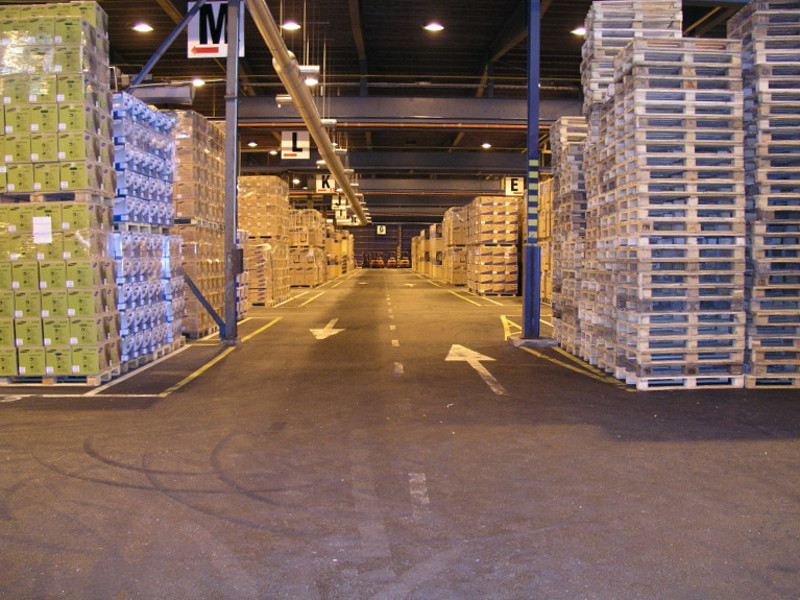
Node pressure
Gateways, terminals and carriers are not neutral backdrops: they are the points where the file can lose quality or gain discipline.
CIESSE supports imports, exports, border formalities, documentary controls, process-heavy flows and coordination with carriers and forwarders, with particular attention to cases where data is incomplete or timing is compressed.
The page reads the real pressure of operating nodes: formalities, urgent flows and files that still need to remain readable under compression.
Each case requires a readable file: coherent documents, tracked pending requests, clear stakeholders and realistic response timing. This is where the CIESSE plus becomes visible: not only reading the problem, but directly carrying the material formality.
Rome, Fiumicino and Civitavecchia remain natural reference points, with selected correspondent activation where the flow genuinely requires it.
Value increases when forwarder, carrier, terminal, broker and end client are not working in silos on the same case.
Gateways, terminals and carriers are not neutral backdrops: they are the points where the file can lose quality or gain discipline.
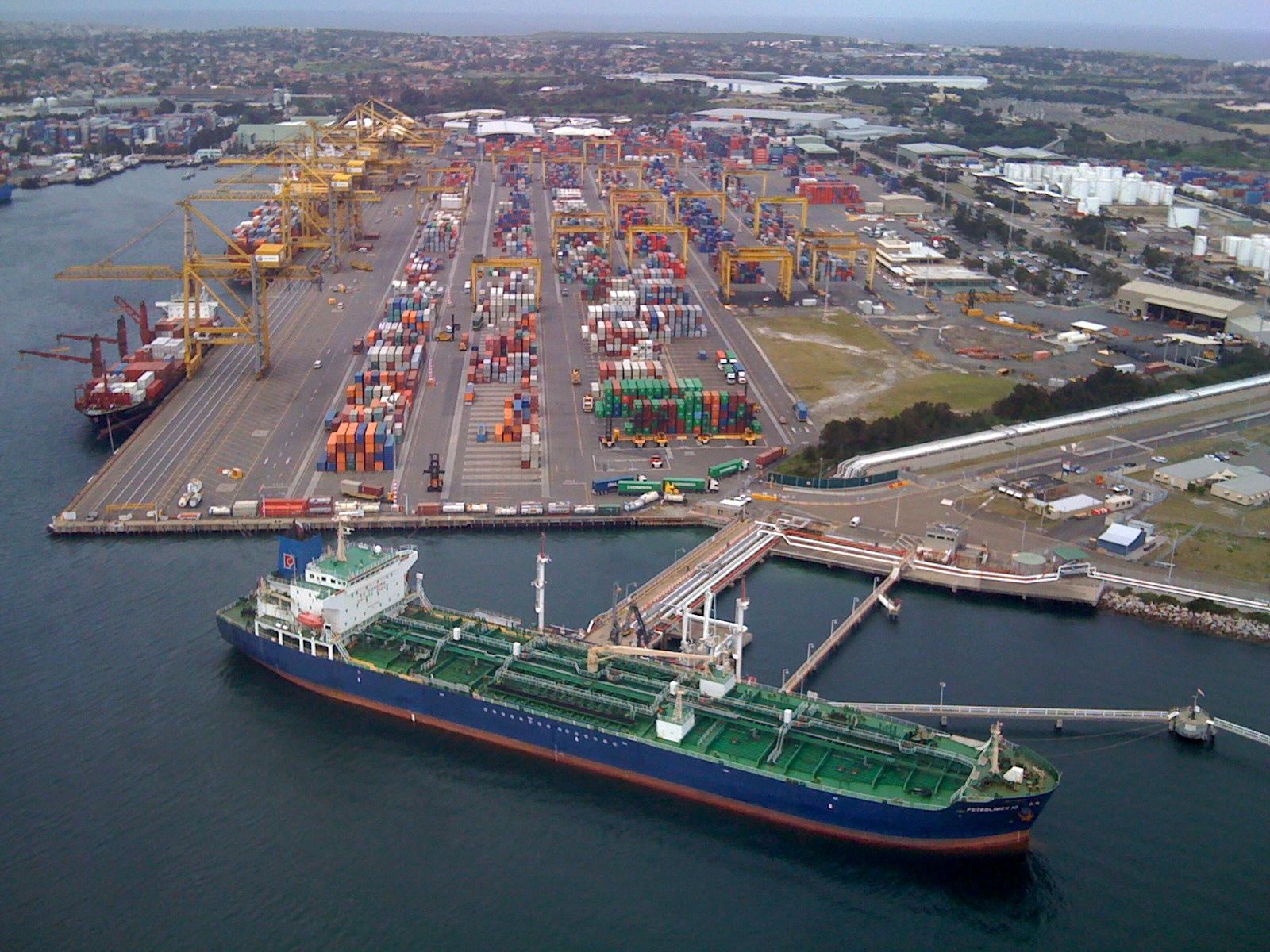
When the file moves across too many actors without clear ownership, the cost is operational before it becomes customs-related. The operations page now makes that more visible.
Many operational failures start with documents produced too late, inconsistent goods descriptions, incomplete instructions, unresolved origin or valuation points, or requests with no clear owner. In those cases the issue is not just technical: it is organizational.
CIESSE helps make the case more readable and more executable, reducing back-and-forth, ambiguity and documentary deterioration.
This visual block condenses what actually needs to improve: alignment between the file, the documents and the declaration, with clearer coordination toward the client, finance and compliance.
These two visuals preserve the logic of the attached operating slides, but with anonymized data and a more sober treatment: program trend and KPI view as proof of a more stable flow.
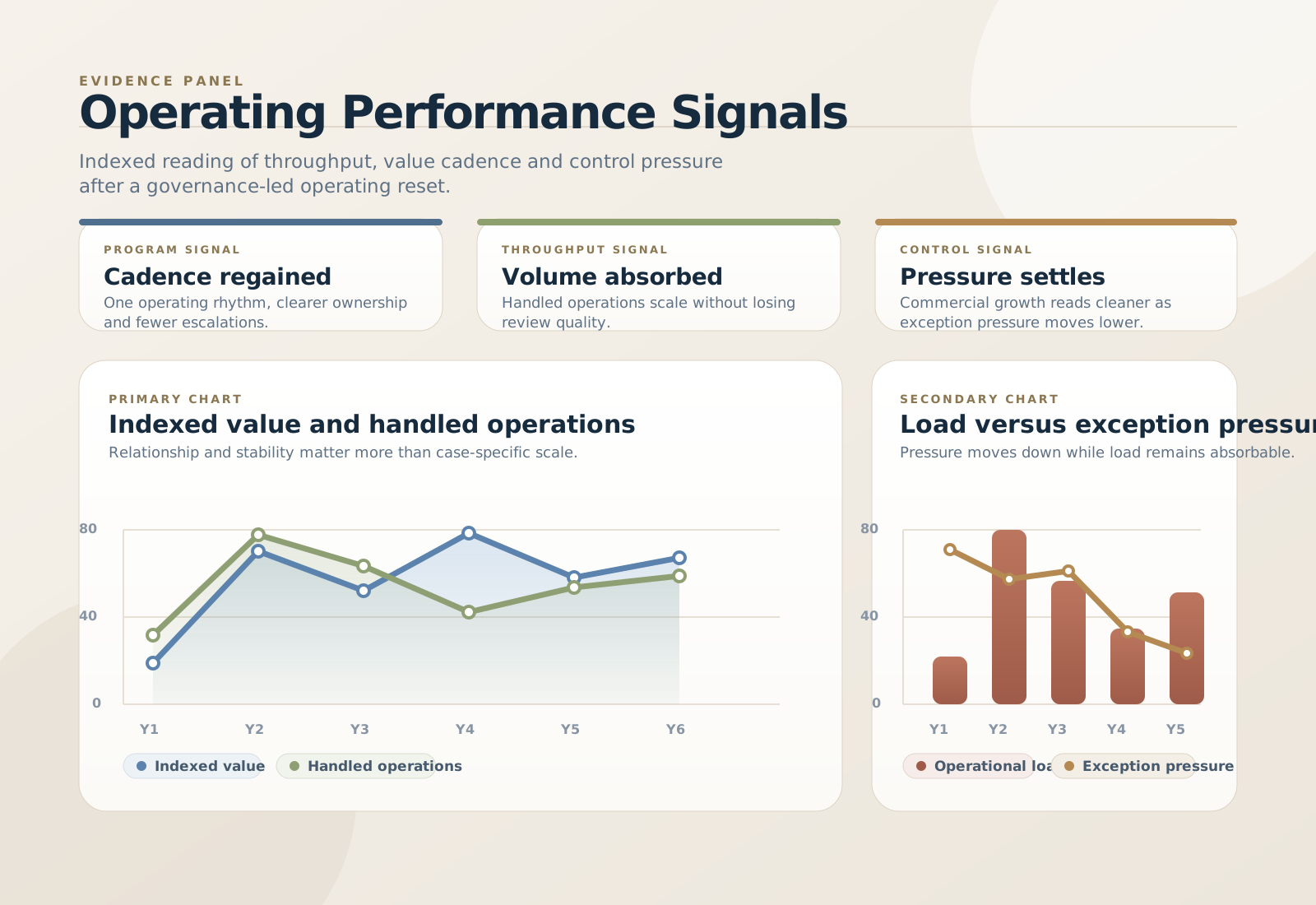
The point is not the exact number but the public reading of the case: more continuity, more control of the flow and fewer repeated shocks.
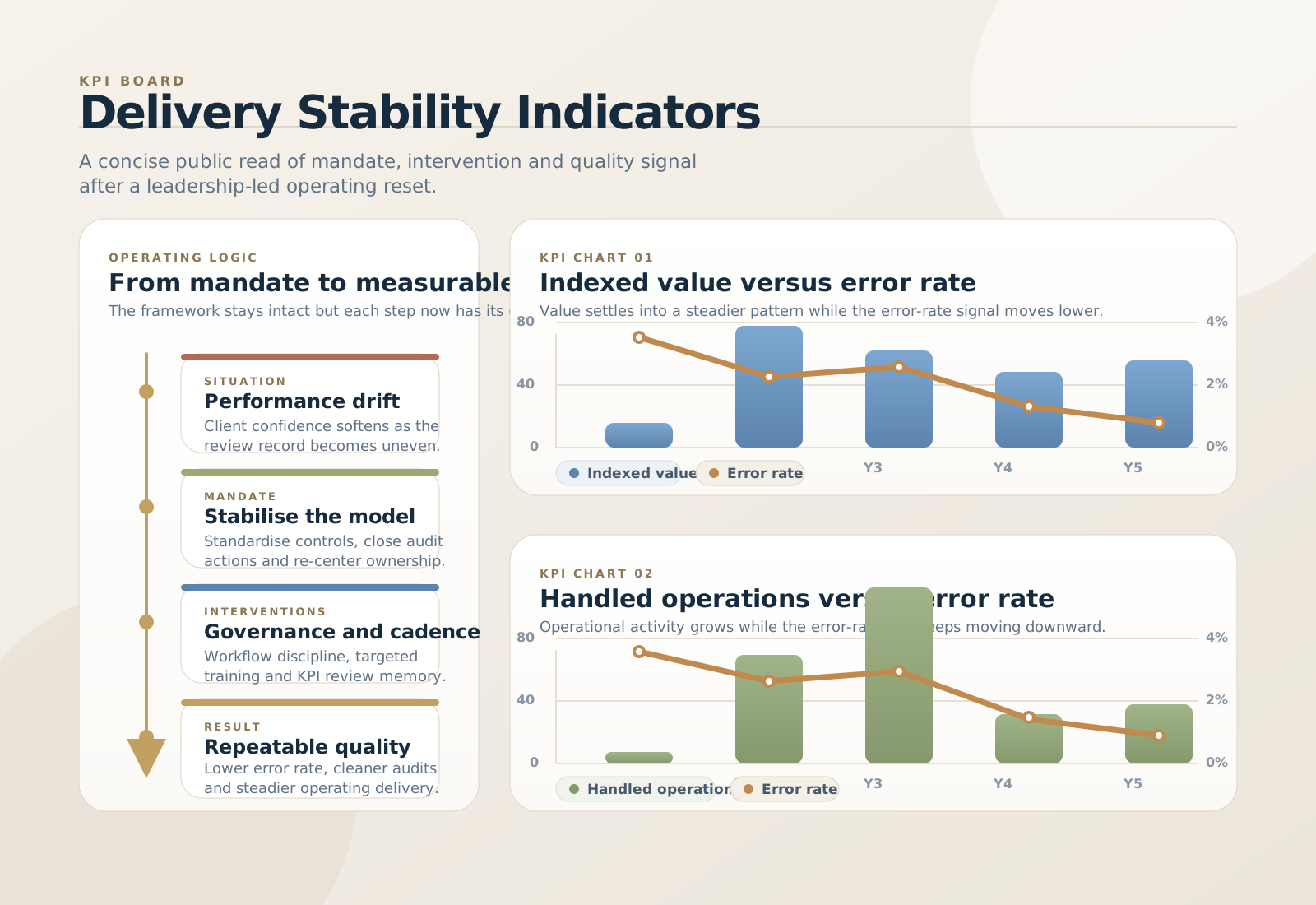
This block makes the link between the initial problem, the operating intervention and the reduction of errors easier to understand, in a more credible way than a simple commercial promise.
| Critical node | Degradation signal | CIESSE intervention |
|---|---|---|
| Documents and instructions | Inconsistent descriptions, missing attachments, weak ownership of requests or documents produced too late. | Rebuilding the file, realigning instructions and clarifying handoffs between client, broker and forwarder. |
| Border node | The file stops or deviates because of supplementary requests, controls or poorly aligned operating sequences. | Case coverage, coordination across stakeholders and exception handling with clear case memory. |
| Technical issue surfacing late | Origin, valuation, screening or special procedures become visible only when they are already blocking the flow. | Activation of the internal technical-operational layer and, where needed, the CSA Nexus partnership on the advisory perimeter. |
| Material customs formality to execute | The case needs not only governance or review, but the declaration, follow-up and operating continuity on the real node. | CIESSE can carry the perimeter through to material formality execution while keeping documents, ownership and escalation readable. |
Some clients need support on a single critical case. Others need a recurring flow made more stable. Others need a combination of execution, document handling and exception support. The operations page should make that commercial and technical flexibility visible.
The benefit is not only progress on the file. It is the reduction of rework, repeated clarifications, loss of case memory, inconsistent instructions and dead time between the client, carrier, terminal, broker and internal teams.
| Use of the operating model | When it fits | Commercial form |
|---|---|---|
| Single case or urgent file | When the flow breaks at a specific point and immediate ownership is needed. | Bounded scope or rapid intervention with a defined perimeter. |
| Recurring flow | When the same issue keeps returning across files, nodes or periods. | Recurring support, an operating project or a combination of both. |
| Advisory-integrated scope | When the mandate needs more than filing: stronger governance, technical judgement or cross-border reading. | Hybrid or integrated mandate, with CIESSE on the execution side and CSA Nexus on the advisory side where appropriate. |